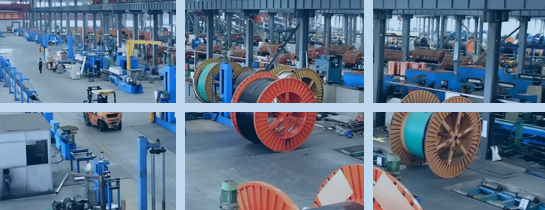
High-speed railway engineering signal cables
High-speed railway engineering signal cables require highly stable transmission performance. Such cables usually adopt coaxial structure or symmetrical four-wire group design to ensure low signal loss during long-distance transmission. The insulation layer uses foamed polyethylene material, effectively reducing the dielectric constant. The shielding layer adopts a composite structure of aluminum foil and braided copper mesh, which has excellent anti-electromagnetic interference capability. The outer sheath is made of halogen-free flame-retardant materials to meet the fire protection requirements of closed environments such as tunnels. Cables must pass strict vibration, shock and environmental adaptability tests to ensure reliability in complex engineering environments.
Salt spray-resistant cables for Marine engineering
Marine engineering cables need to have excellent anti-corrosion performance. The conductors of this type of cable are made of tin-plated copper, and the sheath is made of a special formula material resistant to salt spray, effectively resisting corrosion in Marine environments. The insulation layer is made of cross-linked polyethylene to ensure electrical stability in a humid environment. The cables have passed strict flame retardant, low smoke and toxicity tests to ensure personnel safety. In high-temperature areas such as the cabin, silicone rubber insulation is usually adopted to enhance heat resistance. When installing, a dedicated sealing device must be used in conjunction to ensure the water tightness of the connection parts.
High-voltage cables for new energy vehicle engineering
High-voltage cables for new energy vehicle projects need to safely transmit direct current above 600V. This type of cable uses special cross-linked polyethylene insulation material to ensure insulation safety in high-voltage environments. The shielding layer is of braided copper mesh structure, effectively suppressing electromagnetic interference. The sheath is made of high-performance elastomer material, featuring excellent high-temperature resistance and oil resistance. The cable design emphasizes a flexible structure, facilitating wiring inside the vehicle. The new type of high-voltage cable uses aluminum conductors, which is conducive to achieving the goal of lightweight engineering.
Fire-resistant cables for metro projects
The cables for metro projects must meet strict fire safety standards. This type of cable features a mica tape fire-resistant layer to ensure power supply to critical circuits in the event of a fire. The conductor uses tin-plated copper wire to prevent oxidation at high temperatures. The sheath is made of halogen-free flame-retardant materials to prevent the release of toxic smoke during combustion. The cable must pass a complete fire resistance test, including impact and water spray tests, to verify its reliability under extreme conditions. When installing, it is necessary to cooperate with dedicated fireproof cable trays and sealing devices to ensure the overall safety of the engineering system.